
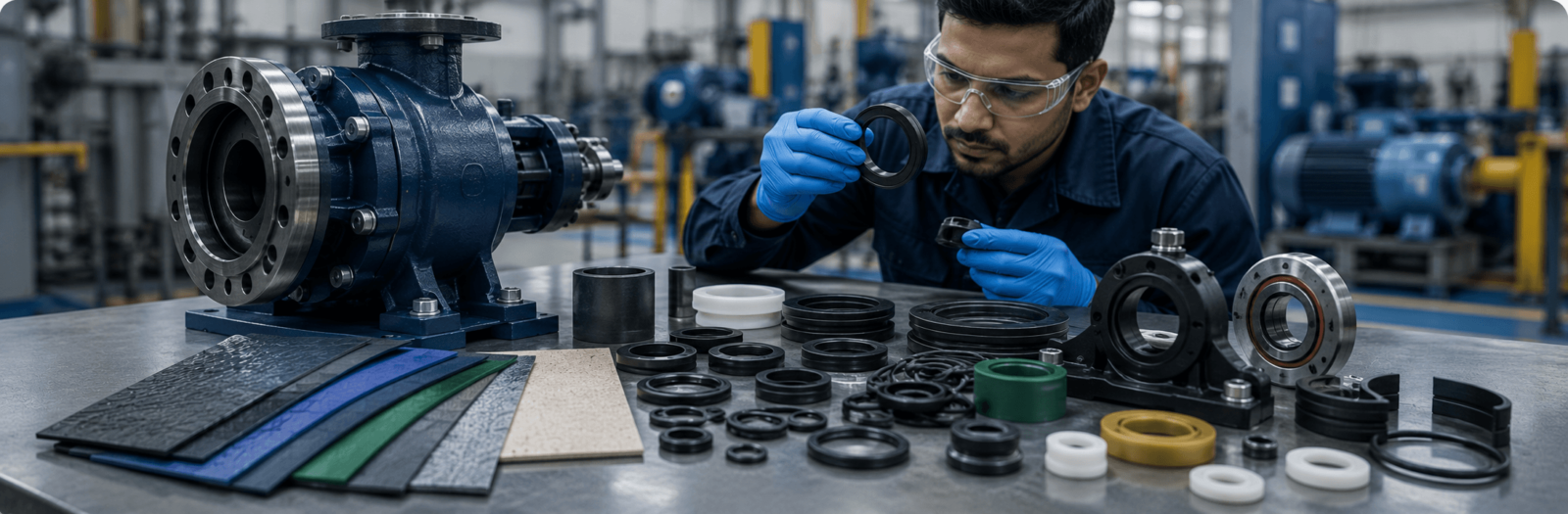
Precision engineering, cutting-edge technology, and effective maintenance procedures are frequently linked to equipment performance in industrial manufacturing. But one crucial element that has a big impact on dependability, longevity, and operational effectiveness is frequently disregarded: material choice.
The performance of machinery under various working situations is directly impacted by the materials employed in its components. The proper material selection may improve performance, save maintenance costs, and increase equipment longevity by withstanding mechanical stress, high temperatures, and wear and corrosion.
Table of Contents
ToggleWhy Material Selection Matters
Industrial equipment operates in demanding environments where components are exposed to pressure, friction, chemicals, moisture, and extreme temperatures. Selecting the wrong material can lead to premature wear, frequent breakdowns, and costly downtime. By choosing materials that match specific application requirements, manufacturers can ensure greater reliability, improved safety, and long-term operational efficiency.
Key Factors Influenced by Material Selection
1. Durability and Wear Resistance
Industrial equipment components experience continuous movement, friction, and mechanical stress. Materials with high wear resistance help reduce component degradation and maintain performance over time.
For example, components used in heavy-duty machinery require materials capable of withstanding repetitive loads without losing structural integrity.
2. Corrosion Resistance
Many industries, including chemical processing, food manufacturing, and water treatment, operate in environments where equipment is exposed to moisture, chemicals, and corrosive substances.
Selecting corrosion-resistant materials helps protect equipment, prevent contamination, and reduce maintenance requirements.
3. Thermal Stability
High temperatures can affect the performance and lifespan of industrial equipment. Materials designed to withstand heat without deformation or degradation contribute to safer and more reliable operations.
Thermally stable materials are particularly important in motors, pumps, sealing systems, and manufacturing equipment operating under continuous load.
4. Vibration and Impact Resistance
Industrial machinery often experiences vibration, shock, and dynamic loads during operation. Materials with excellent impact resistance help absorb stress, reduce component fatigue, and improve overall equipment stability.
This is especially important in applications involving rotating machinery, conveyors, and heavy industrial systems.
5. Chemical Compatibility
In many industrial environments, equipment components come into contact with oils, fuels, solvents, and aggressive chemicals. Material compatibility is essential to prevent swelling, cracking, degradation, or failure.
Selecting the right material ensures consistent performance while reducing the risk of unexpected equipment issues.
The Importance of Material Selection in Rubber Components
For manufacturers of rubber components, material selection is particularly critical. Different elastomers offer unique properties suited to specific industrial applications.
- EPDM provides excellent resistance to weather, ozone, and water.
- Nitrile Rubber (NBR) performs well in oil and fuel-related environments.
- Silicone Rubber offers outstanding thermal stability and flexibility.
- Neoprene delivers balanced resistance to weathering, oils, and mechanical wear.
Choosing the appropriate rubber compound helps improve sealing performance, vibration control, insulation, and overall equipment reliability.
Benefits of Choosing the Right Material
Organizations that prioritize material selection can achieve several operational advantages:
✔ Improved equipment reliability
✔ Reduced maintenance and downtime
✔ Enhanced operational efficiency
✔ Longer component lifespan
✔ Lower replacement costs
✔ Better safety and performance
These benefits contribute directly to increased productivity and long-term cost savings.
Conclusion
Material selection is far more than an engineering decision, it is a strategic investment in equipment performance and operational reliability. As industries continue to demand higher performance and greater reliability, selecting materials based on application-specific requirements remains one of the most effective ways to optimize industrial equipment and achieve sustainable operational success.
Add a Comment