
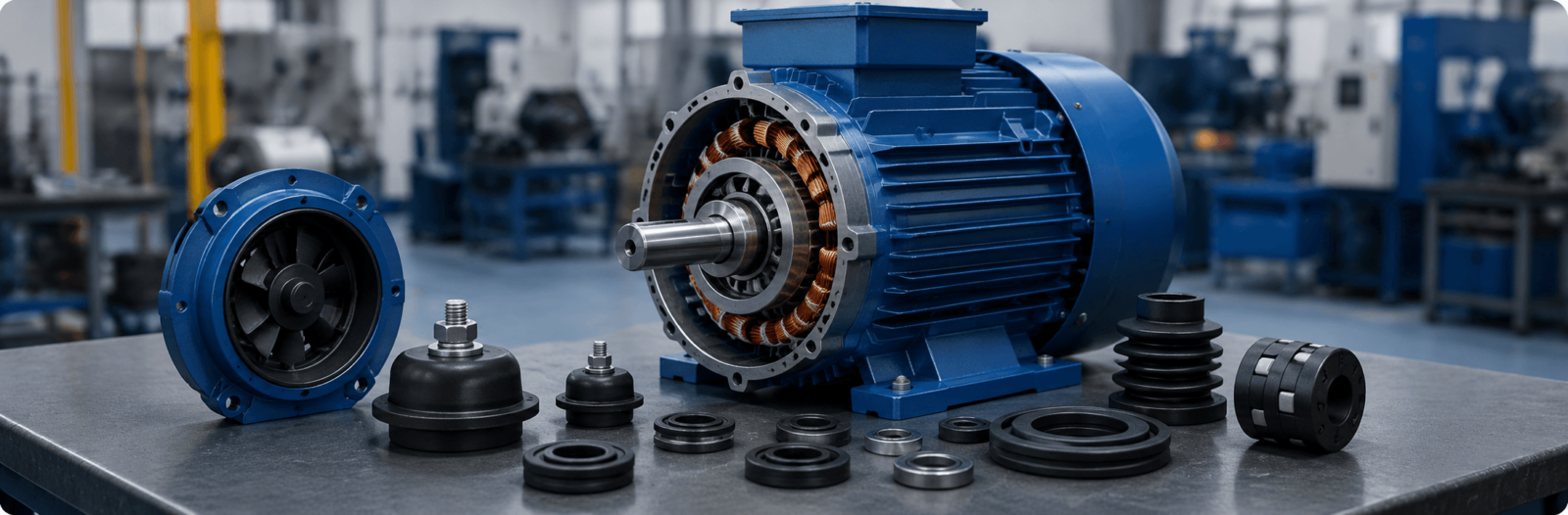
Electric motors power everything from pumps and conveyors to HVAC systems and manufacturing equipment, making them the foundation of contemporary industry. The quality of a motor’s rubber components is one often-overlooked feature that contributes to its lifetime, even though variables like design, maintenance and operating circumstances have a considerable influence on motor performance.
Table of Contents
ToggleWhy Rubber Components Matter
Rubber components are essential for shielding electric motors from mechanical and environmental pressures. Internal motor parts are protected while smooth performance is ensured by materials including gaskets, seals, O-rings, vibration dampers and insulation elements..
1. Protection Against Dust, Moisture, and Contaminants
Electric motors frequently operate in environments exposed to dust, water, chemicals, and other contaminants. High-quality rubber seals and gaskets create a reliable barrier that prevents these elements from entering the motor housing, reducing the risk of corrosion, insulation failure, and premature wear.
2. Vibration and Shock Absorption
Continuous operation generates vibrations that can gradually damage motor components, bearings, and mounting systems. Rubber vibration dampers absorb shocks and reduce mechanical stress, helping maintain alignment and preventing unnecessary wear over time.
3. Enhanced Thermal Performance
Excessive heat is one of the leading causes of electric motor failure. Specialized rubber materials designed for high-temperature applications help maintain sealing integrity even under demanding operating conditions, contributing to overall motor reliability.
4. Improved Electrical Insulation
Certain rubber compounds offer excellent insulating properties, helping minimize electrical leakage and protecting sensitive motor components. Effective insulation supports safer operation and enhances system efficiency.
5. Reduced Maintenance and Downtime
By preventing contamination, reducing vibration, and protecting critical components, rubber parts help lower maintenance requirements and minimize unexpected breakdowns. This translates into reduced operational costs and improved productivity.
Choosing the Right Rubber Components
Not all rubber materials perform the same. Selecting the appropriate compound—whether EPDM, Nitrile, Silicone, Neoprene, or other specialized elastomers—depends on factors such as temperature, chemical exposure, environmental conditions, and application requirements.
Partnering with experienced manufacturers ensures that rubber components meet the performance standards necessary for long-term motor protection.
Conclusion
While often hidden from view, rubber components play an essential role in extending the life of electric motors. Their ability to seal, insulate, dampen vibration, and withstand challenging environments contributes directly to reliability, efficiency, and reduced maintenance costs.
Investing in high-quality rubber components is not just about protecting individual parts, it’s about maximizing the performance and lifespan of the entire motor system.
Add a Comment