In industrial manufacturing, a drawing is more than a visual representation of a component. It defines the dimensions, tolerances, material requirements, geometry, and functional expectations that the finished component must meet.
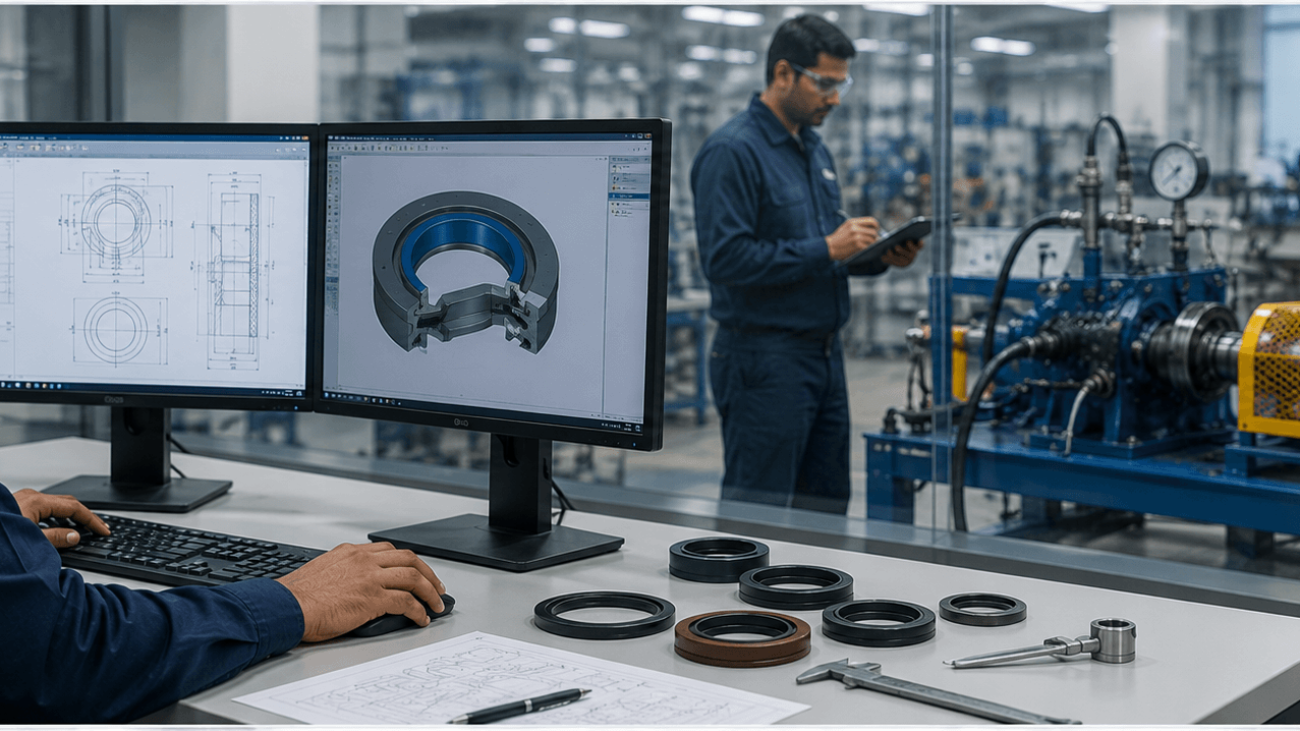
The challenge begins when an engineering drawing needs to be transformed into a precise, production-ready component that can perform reliably within a larger assembly.
This case study looks at how Achievo Engineering approaches the journey from technical drawing to precision lead component, with a focus on engineering interpretation, manufacturing accuracy, quality control, and application requirements.
The Challenge
The requirement was to manufacture a lead component based on an engineering drawing with specific dimensional and functional requirements.
The challenge was not simply to reproduce the shape shown in the drawing. The component needed to maintain dimensional accuracy while also meeting the required material, tolerance, surface finish, and application requirements.
Key considerations included:
- Understanding the engineering drawing correctly
- Identifying critical dimensions and tolerances
- Selecting the appropriate material
- Planning the manufacturing process
- Maintaining dimensional consistency
- Inspecting the finished component against the drawing
- Ensuring the component was suitable for its intended assembly
In precision manufacturing, every stage of the process can influence the final result.
Step 1: Understanding the Drawing
The process begins with a detailed review of the engineering drawing.
Dimensions, tolerances, geometry, holes, profiles, threads, surface requirements, and other specifications are evaluated before manufacturing begins.
Critical dimensions are identified based on how the component will function within the final assembly.
This initial stage is important because an incorrect interpretation of even one specification can affect the manufacturing process and ultimately the performance of the component.
Step 2: Material and Manufacturing Planning
Once the drawing requirements are understood, the next step is to determine the appropriate material and manufacturing approach.
Material selection depends on the component’s intended application and operating conditions. Factors such as mechanical loads, temperature, friction, chemical exposure, wear, and environmental conditions may need to be considered.
The manufacturing process is then planned around the component’s geometry, required accuracy, production requirements, and material characteristics.
The objective is to create a process that can consistently reproduce the required component—not simply manufacture one acceptable part.
Step 3: Precision Manufacturing
With the process defined, manufacturing begins.
Depending on the component design, precision machining and other suitable manufacturing operations may be used to achieve the required geometry and dimensions.
Particular attention is given to critical areas where dimensional variation could affect assembly or performance.
During production, process control helps maintain consistency across components and reduces the risk of dimensional deviations.
Step 4: Dimensional Inspection
Manufacturing is only one part of precision engineering. Verification is equally important.
The finished component is inspected against the requirements specified in the engineering drawing.
Key parameters may include:
- Overall dimensions
- Critical diameters
- Hole dimensions and positions
- Thickness
- Threads or profiles
- Tolerances
- Surface finish
- Visual and dimensional condition
Inspection provides the link between what was specified on the drawing and what was actually produced.
Step 5: From Component to Assembly
A precision component ultimately has to work as part of a larger system.
Therefore, the final evaluation considers more than dimensional compliance. The component’s fit, interface, and intended function within the assembly are also important.
A component can meet individual dimensional specifications but still create problems if the surrounding components, operating conditions, or assembly requirements have not been considered.
This is why Achievo’s approach focuses on understanding the component in the context of its application.
The Result
The outcome is a precision-manufactured lead component developed through a controlled engineering workflow:
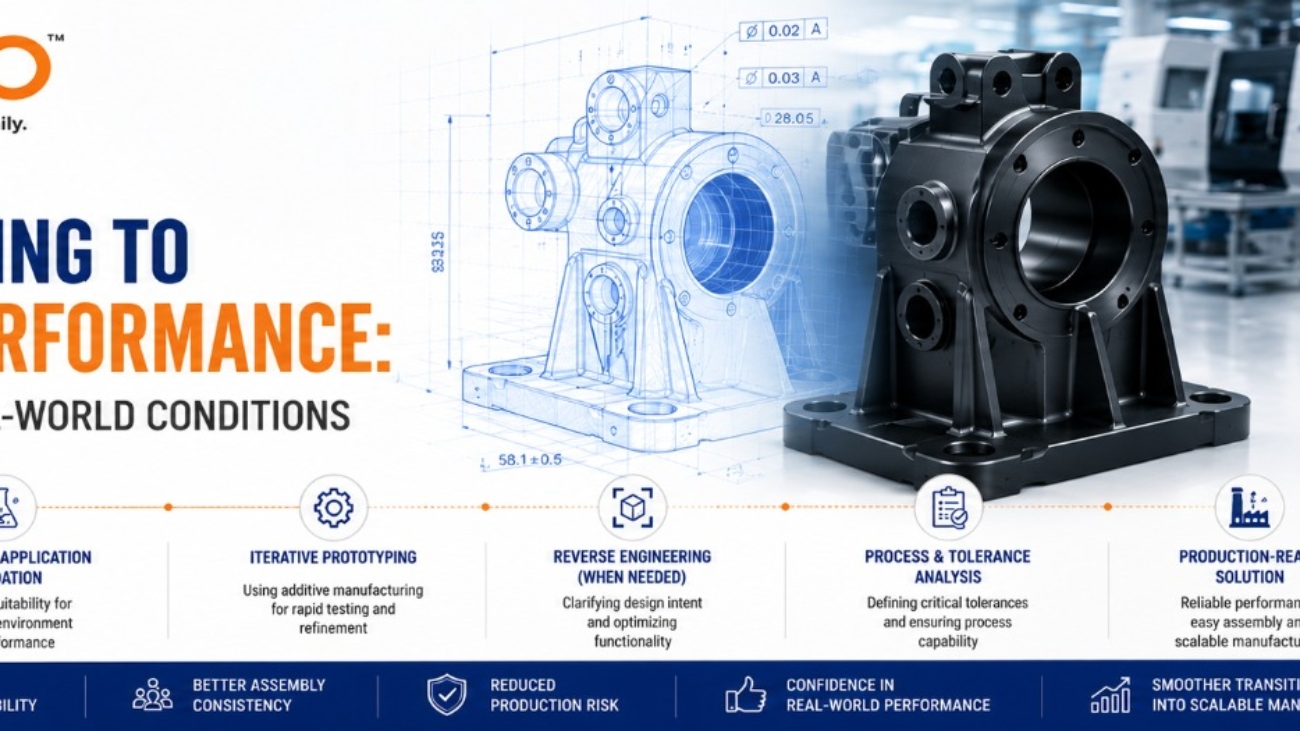
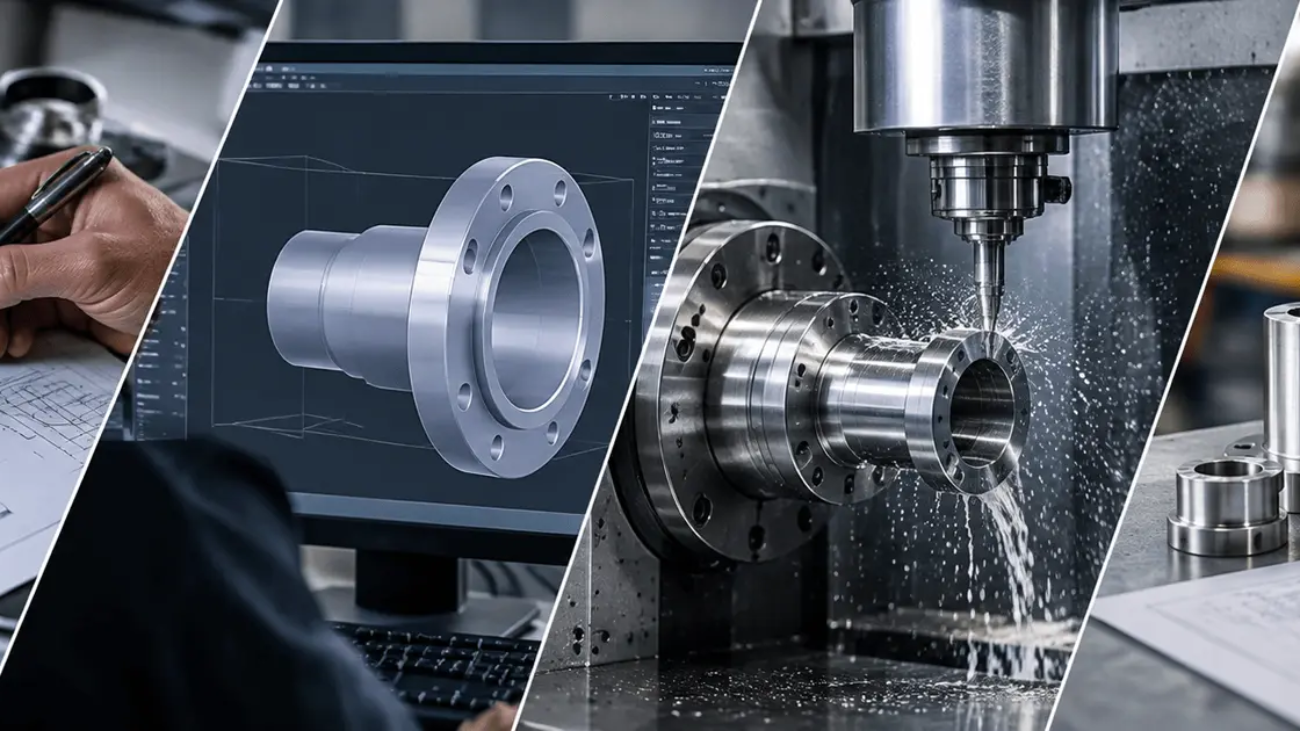
Engineering Drawing → Requirement Analysis → Material Selection → Process Planning → Precision Manufacturing → Inspection → Application-Ready Component
This approach helps convert design intent into a physical component with controlled dimensions and repeatable manufacturing quality.
What This Case Demonstrates
This project highlights an important aspect of industrial component manufacturing:
Precision does not begin on the machine floor. It begins with understanding the drawing.
From interpreting technical specifications to selecting materials, planning production, manufacturing accurately, and inspecting the finished component, every stage contributes to the final result.
For industries that depend on close-fitting, application-specific components, this structured approach can help improve consistency, reduce manufacturing errors, and support reliable assembly performance.
Why Engineering-Led Manufacturing Matters
When a component is manufactured directly from an engineering drawing, there is little room for assumptions.
The manufacturer must understand not only what the component looks like, but also what each dimension, tolerance, material specification, and surface requirement means for its final application.
That is where engineering-led manufacturing becomes valuable.
At Achievo Engineering, the focus is on connecting design requirements with manufacturing capabilities to produce precision industrial components tailored to specific requirements.
Conclusion
Taking a component from drawing to finished product requires more than machining capability. It requires engineering understanding, process control, manufacturing precision, and quality verification.
Every dimension on a drawing has a purpose. Every tolerance communicates a requirement. Every inspection step helps confirm that the final component matches the intended design.
From the first line on the drawing to the final inspection, precision is built into every stage of the process.
Achievo Engineering — Turning Engineering Requirements Into Precision Components.